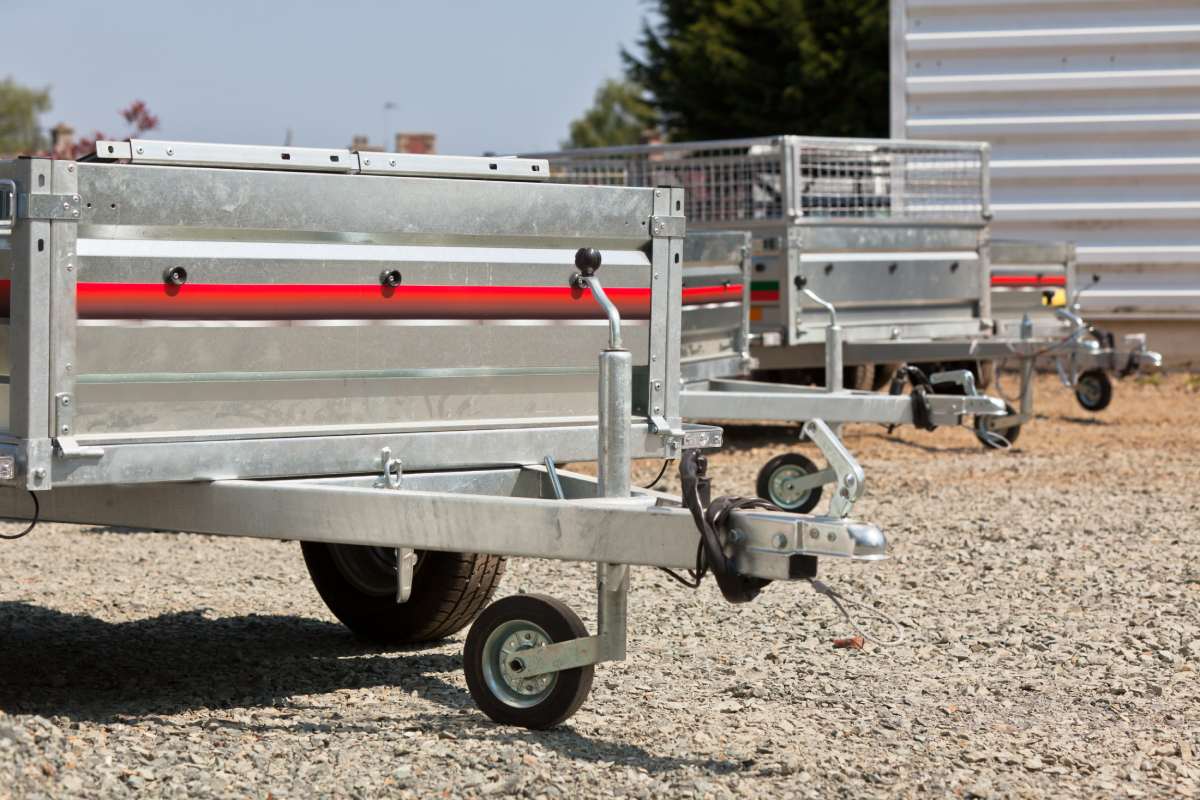
A plant trailer is one of the most valuable assets in any construction, landscaping, earthmoving or agricultural business. While excavators, skid steers and loaders often receive regular servicing, trailers can be overlooked until something goes wrong. Yet a poorly maintained trailer can lead to costly repairs, project delays, safety risks and even legal compliance issues.
Whether you’re transporting machinery every day or only a few times each month, routine trailer maintenance helps extend its lifespan, improve safety and protect your investment. A well-maintained trailer also reduces downtime and ensures your equipment arrives on site safely and ready to work.
Here’s what every owner-operator, contractor and fleet manager should know about maintaining a plant trailer.
Why Regular Trailer Maintenance Matters
Plant trailers operate in some of Australia’s toughest environments. They are exposed to:
- Dust and dirt
- Mud and gravel
- Rain and coastal salt air
- Heavy loads
- Corrugated roads
- Constant vibration
Over time, these conditions take a toll on every component, from tyres and wheel bearings to brakes and lighting systems.
Ignoring routine maintenance can result in:
- Increased repair costs
- Equipment damage
- Reduced resale value
- Failed roadworthy inspections
- Workplace safety risks
- Unexpected breakdowns
By following a preventative maintenance schedule, many of these problems can be avoided long before they become expensive.
Perform a Quick Inspection Before Every Trip
One of the easiest habits to develop is completing a short walk-around inspection before towing.
It only takes a few minutes but can identify obvious problems before heading onto the road.
Check:
- Tyre condition
- Tyre pressures
- Wheel nuts
- Lights and indicators
- Safety chains
- Coupling and hitch
- Brake connections
- Loading ramps
- Tie-down points
Also inspect the trailer deck for loose debris that could become a hazard during transport.
Small issues spotted early are often inexpensive to fix.
Keep Tyres Properly Inflated
Trailer tyres carry enormous loads and often wear differently from vehicle tyres.
Under-inflated tyres create excessive heat, increasing the risk of blowouts. Over-inflated tyres reduce grip and can wear unevenly.
Check tyre pressures regularly, especially before carrying heavy machinery.
Look for:
- Cracks in sidewalls
- Uneven tread wear
- Embedded stones or debris
- Bulges or damage
- Low tread depth
Don’t forget the spare tyre.
Many breakdowns become much more stressful when the spare is also flat or damaged.
Inspect Wheel Bearings Regularly
Wheel bearings work incredibly hard every kilometre your trailer travels.
Signs of worn bearings include:
- Grinding noises
- Excessive wheel movement
- Heat around the hub
- Vibration while towing
Wheel bearings should be serviced according to the manufacturer’s recommendations or sooner if the trailer frequently travels through water, mud or dusty conditions.
Replacing bearings before failure is significantly cheaper than repairing damaged hubs or axles.
Check the Braking System
Trailer brakes are one of the most important safety systems on any plant trailer.
Inspect:
- Brake pads or shoes
- Brake drums or discs
- Electric brake wiring
- Hydraulic lines
- Brake controllers
- Breakaway battery systems (where fitted)
If braking performance changes, don’t ignore it.
Poor braking affects not only stopping distance but also vehicle stability during emergency situations.
Regular servicing helps ensure your trailer remains compliant with Australian road regulations.
Inspect the Coupling and Hitch
The trailer coupling experiences constant pressure while towing heavy machinery.
Check for:
- Excessive wear
- Loose mounting bolts
- Rust
- Cracks
- Damaged locking mechanisms
Always confirm the coupling locks securely onto the tow ball before every journey.
The safety chains should also be inspected for wear and correctly attached using rated shackles where required.
A worn coupling can become a serious safety hazard if left unattended.
Maintain Loading Ramps
Loading ramps experience repeated heavy impacts as machinery moves on and off the trailer.
Inspect ramps for:
- Bent sections
- Cracks
- Loose hinges
- Damaged locking pins
- Worn anti-slip surfaces
If ramps become difficult to operate or no longer sit correctly, repair them immediately.
Damaged ramps increase the risk of machinery slipping during loading.
For businesses using aluminium loading ramps, regular cleaning also helps maintain their appearance and performance.
Examine Tie-Down Points
Proper load restraint protects both your machinery and other road users.
Every tie-down point should be checked for:
- Cracks
- Corrosion
- Loose welds
- Deformation
- Missing bolts
Never use damaged anchor points.
Likewise, inspect chains, straps and ratchets regularly.
Even the strongest trailer cannot secure equipment safely with worn restraint equipment.
Keep the Trailer Clean
Cleaning isn’t just about appearance.
Mud, fertiliser, concrete dust and road salt all contribute to corrosion and hide developing problems.
After heavy use:
- Wash underneath the trailer.
- Remove built-up mud.
- Clean loading ramps.
- Rinse brake components where appropriate.
- Inspect for trapped debris.
Businesses operating near coastal areas should rinse trailers more frequently to minimise salt-related corrosion.
Aluminium trailers naturally resist rust, but regular cleaning still extends their lifespan.
Look for Structural Damage
Heavy machinery places enormous stress on a trailer frame.
During inspections, check for:
- Cracked welds
- Bent cross-members
- Twisted chassis rails
- Loose bolts
- Fatigue around suspension mounting points
Structural damage should never be ignored.
Small cracks can quickly develop into larger failures if the trailer continues carrying heavy loads.
Professional repairs are always recommended for structural components.
Check Suspension Components
The suspension absorbs thousands of impacts every trip.
Inspect:
- Springs
- Rocker rollers
- Bushes
- U-bolts
- Shock absorbers (if fitted)
- Axle alignment
Uneven tyre wear often indicates suspension or alignment issues.
Replacing worn suspension components improves towing stability and reduces stress on the entire trailer.
Protect Electrical Components
Trailer lighting systems are exposed to vibration, moisture and dirt.
Test before every trip:
- Brake lights
- Tail lights
- Indicators
- Number plate lights
Inspect wiring for:
- Fraying
- Corrosion
- Loose plugs
- Damaged connectors
Applying dielectric grease to electrical connectors can help reduce moisture-related issues.
Reliable lighting is essential for both safety and legal compliance.
Store Your Trailer Properly
When not in use, proper storage significantly extends trailer life.
Ideally:
- Store under cover.
- Park on firm, level ground.
- Chock the wheels.
- Reduce prolonged sun exposure.
- Keep tyres off soft ground where possible.
Long periods of inactivity can also affect tyres, bearings and brake components, so move the trailer occasionally if it’s stored for extended periods.
Follow a Maintenance Schedule
Rather than waiting for problems to appear, create a simple servicing schedule.
Before every trip
- Check tyres
- Test lights
- Inspect coupling
- Confirm brakes
- Inspect tie-downs
Monthly
- Check wheel bearings
- Inspect suspension
- Examine ramps
- Clean the trailer thoroughly
Every six to twelve months
- Professional brake inspection
- Bearing service
- Suspension inspection
- Full structural assessment
- Electrical system inspection
Keeping written maintenance records also helps improve resale value and demonstrates proper asset management.
Choose Quality from the Beginning
Even the best maintenance cannot compensate for poor construction.
A well-built trailer made from quality materials generally requires fewer repairs over its lifetime and holds its value better when it comes time to upgrade.
Buying from an experienced Australian manufacturer also means replacement parts, technical advice and servicing are usually easier to obtain compared with imported alternatives.
This becomes particularly valuable for businesses that rely on their trailers every day.
The Bottom Line
A plant trailer works hard every day, often under harsh Australian conditions. Regular inspections and preventative maintenance not only improve safety but also reduce operating costs, minimise downtime and extend the trailer’s working life.
Simple habits like checking tyre pressures, inspecting brakes, cleaning the trailer and servicing wheel bearings can prevent major mechanical failures and keep your business moving efficiently.
Whether you’re an owner-operator or managing a fleet of trailers, investing a little time in regular maintenance pays significant dividends over the life of the asset. A quality trailer that’s properly maintained can provide many years of reliable service while protecting the valuable machinery it carries.
Frequently Asked Questions
How often should I service my plant trailer?
A basic inspection should be completed before every trip. More comprehensive servicing, including bearings, brakes and suspension, should be performed according to the manufacturer’s recommendations or at least annually for regularly used trailers.
What is the most common cause of trailer breakdowns?
Tyre failures, worn wheel bearings and neglected braking systems are among the most common causes of trailer breakdowns. Routine inspections help identify these issues before they become major problems.
Can I pressure wash my plant trailer?
Yes, but avoid directing high-pressure water directly into wheel bearings, electrical connectors or brake components unless they are designed for it. Always allow the trailer to dry thoroughly after cleaning.
Why is aluminium a good choice for plant trailers?
Aluminium offers a lighter tare weight, allowing for greater legal payload while also providing excellent corrosion resistance. This makes it particularly suitable for commercial operators who tow machinery regularly.
Does regular maintenance improve resale value?
Absolutely. A well-maintained trailer with documented servicing, good structural condition and properly functioning components is generally more attractive to buyers and commands a higher resale price than one with visible neglect.