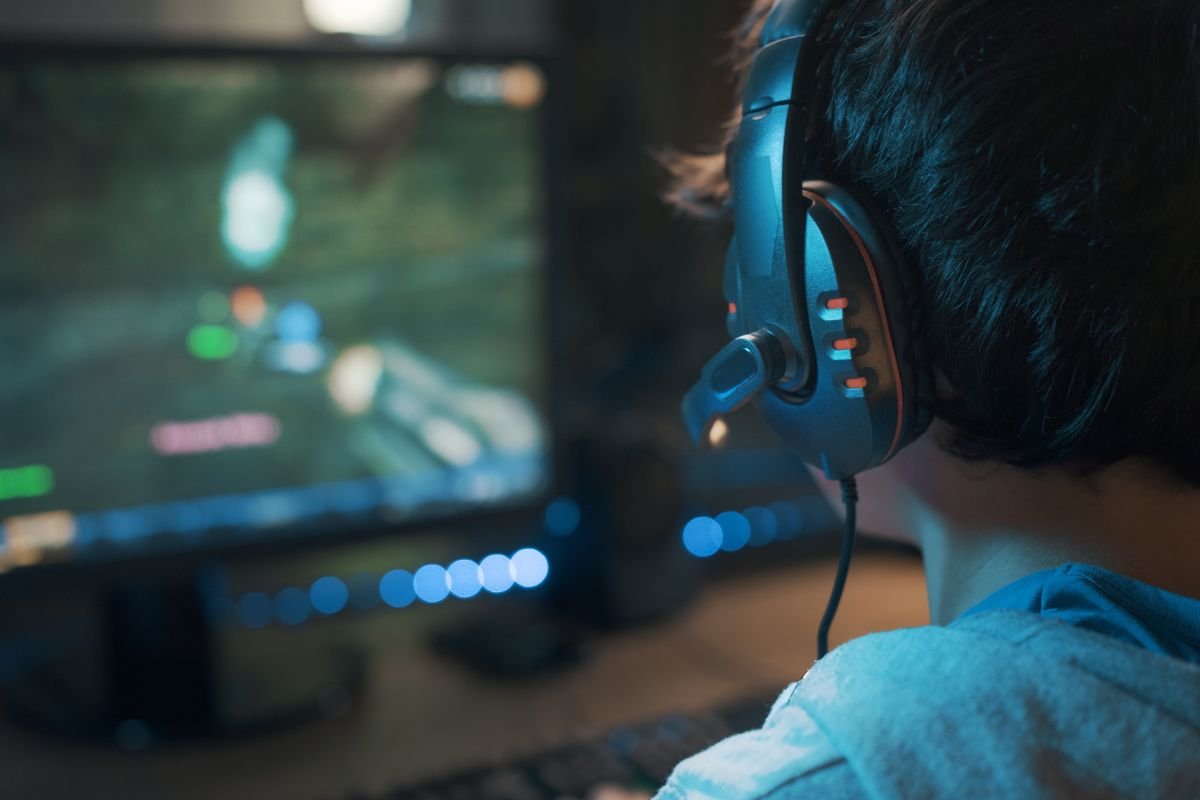
For many parents, video games feel like a daily negotiation. Games can be creative, social and genuinely skill-building, yet it is easy for play to crowd out sleep, homework and time outdoors. The goal is not to ban games but to help children play in a way that supports their development. Here is how to think about quality, quantity and the limits that work in real households.
Are games good or bad for kids?
The honest answer is that it depends on the game, the child and the context. Research suggests some games can support problem-solving, planning and attention, while heavy or poorly timed play can interfere with sleep, physical activity and schoolwork. We cover the evidence in more detail in our article on playing games and children’s cognitive growth. The key takeaway is that what and how a child plays matters at least as much as how long.
What Australian guidelines recommend
Australia’s 24-Hour Movement Guidelines give a useful starting point for recreational screen time:
- Under 2 years: sedentary screen time is not recommended
- Ages 2 to 5: no more than 1 hour a day
- Ages 5 to 17: no more than 2 hours of recreational screen time a day
These limits apply to recreational use, not schoolwork. They are guidelines rather than strict rules, so use them as a benchmark and adjust sensibly for your family. It is worth checking the Australian Government Department of Health, Disability and Ageing and the eSafety Commissioner for the latest advice.
Quality matters as much as quantity
Two hours of a creative building game with a sibling is a very different experience from two hours of a fast, reward-driven game with in-app purchases. When choosing games, look at:
- The classification rating (G, PG, M, MA 15+) and whether the content suits your child’s age
- Social features, including who can chat with your child and whether you can restrict it
- In-game spending, such as loot boxes or purchases that encourage constant return visits
- Natural stopping points, because games with clear levels or matches are easier to finish than endless ones
Practical ways to set limits that stick
- Agree on a family plan together. Children are more likely to follow rules they helped create.
- Keep screens out of bedrooms, especially overnight, to protect sleep.
- Set a start and stop time, and give a five-minute warning before it ends.
- Play together sometimes. You will understand the game, and it opens up easier conversations.
- Use built-in parental controls on consoles, phones and tablets to set time limits and block unsuitable content.
- Protect the basics first: sleep, meals, homework and physical activity come before gaming.
- Model the behaviour. Children notice how much time adults spend on their own phones.
Why short rewards make stopping hard
Many games are designed to deliver rewards quickly and often, which can make it hard for anyone, not just children, to stop. Understanding how instant gratification affects our lives can help you explain to your child why “one more round” keeps happening, and how to build the habit of pausing. If your child struggles to concentrate after long sessions, our piece on how smartphones affect memory and concentration offers further strategies that apply to all screens.
Signs it may be too much
It may be time to step in if your child:
- Regularly loses sleep because of gaming
- Becomes very angry or distressed when asked to stop
- Drops out of activities, friendships or schoolwork they used to enjoy
- Hides how much they play
If these signs persist, talk with your GP or your child’s school counsellor for support.
The bottom line
Healthy gaming is about balance. Choose age-appropriate games, set clear and consistent limits, protect sleep and activity, and stay curious about what your child plays. Small, steady habits work better than strict bans.